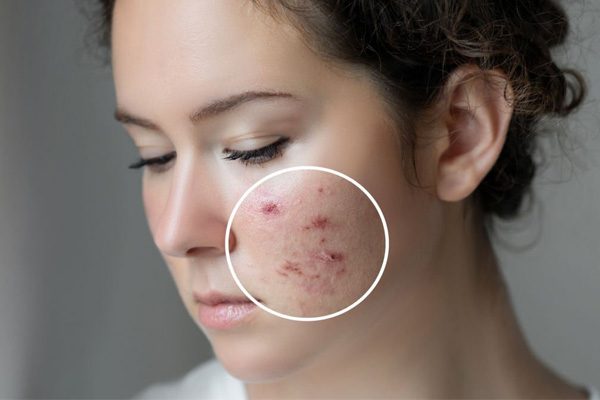
At Skin Renewal, all patients with skin conditions are treated holistically by our qualified medical doctors who have experience in treating acne. In other words, in an acne consultation at Skin Renewal, your doctor will take a comprehensive history to ensure that there are no underlying medical conditions that may be contributing to your acne and that the best treatments for acne are prescribed for you.
Acne can range in severity from mild, to moderate, to severe. Each grade or level requires slightly different intervention and for this reason, a medical consultation is the best route in order to get the most effective, comprehensive plan, tailor-made for each individual patient.
Treatment may require a combination of treatments and effective, medical-grade topicals and in severe cases, oral supplementation is a must.
The following treatments are available at Skin Renewal for the treatment of Acne:
Superficial chemical peels
Limelight
Laser genesis / Laser toning
Carboxytherapy
PDT with red and blue light
Contact ND:Yag
Should there be scarring remaining on the skin after getting the acne under control, the treatment choices and solutions would change to treat the remaining scars.
What can one do to prevent and manage acne?
1. Avoid the sun as overexposure to the sun can worsen acne, and cause post inflammatory hyperpigmentation (PIH) of inflamed lesions.
2. Use cosmetics sparingly. Use only hypoallergenic, breathable cosmetics.
3. Wash face gently in the mornings and at night with unscented, oil-free cleansers and keep the skin clean. It is important to remember: Acne is not caused by dirt.
4. Avoid scrubbing inflamed skin as this will make acne worse and spread the infection to larger parts of the skin.
5. Resist the urge to squeeze, scratch or pick at acne lesions. Let them drain when they are ready. Causing trauma to the skin will result in potential scarring and worsening of the condition as infection spreads.
6. Young men who suffer from moderate to severe acne should use a new razor blade every time they shave to lessen risk of infection.
7. It is important that men avoid alcohol-based aftershaves. If possible, use herbal alternatives that include essential oils of lavender, chamomile, or tea tree oil to soothe the skin.
8. Eliminate foods which are high in fat, hormones, and iodine.
9. Ensure your diet consist of a wide range of whole, natural foods, especially raw foods. Avoid processed foods with additives and trans-fatty acids.
10. Drink adequate liquids, especially pure water and green tea, which helps to flush your system and keep the skin hydrated.